Acoustic Architecture: Designing Homes for the Sound-Sensitive

Welcome to the world of acoustic architecture! In this day and age, people are becoming increasingly aware of the importance of noise control in their living spaces. As a result, the demand for homes that are specifically designed for sound-sensitive individuals is on the rise. This niche field of architecture, known as acoustic architecture, has emerged as a solution to the growing need for peaceful and quiet living environments. In this article, we will delve into the world of acoustic architecture and explore how it strives to optimize the sound experience within homes for the sound-sensitive.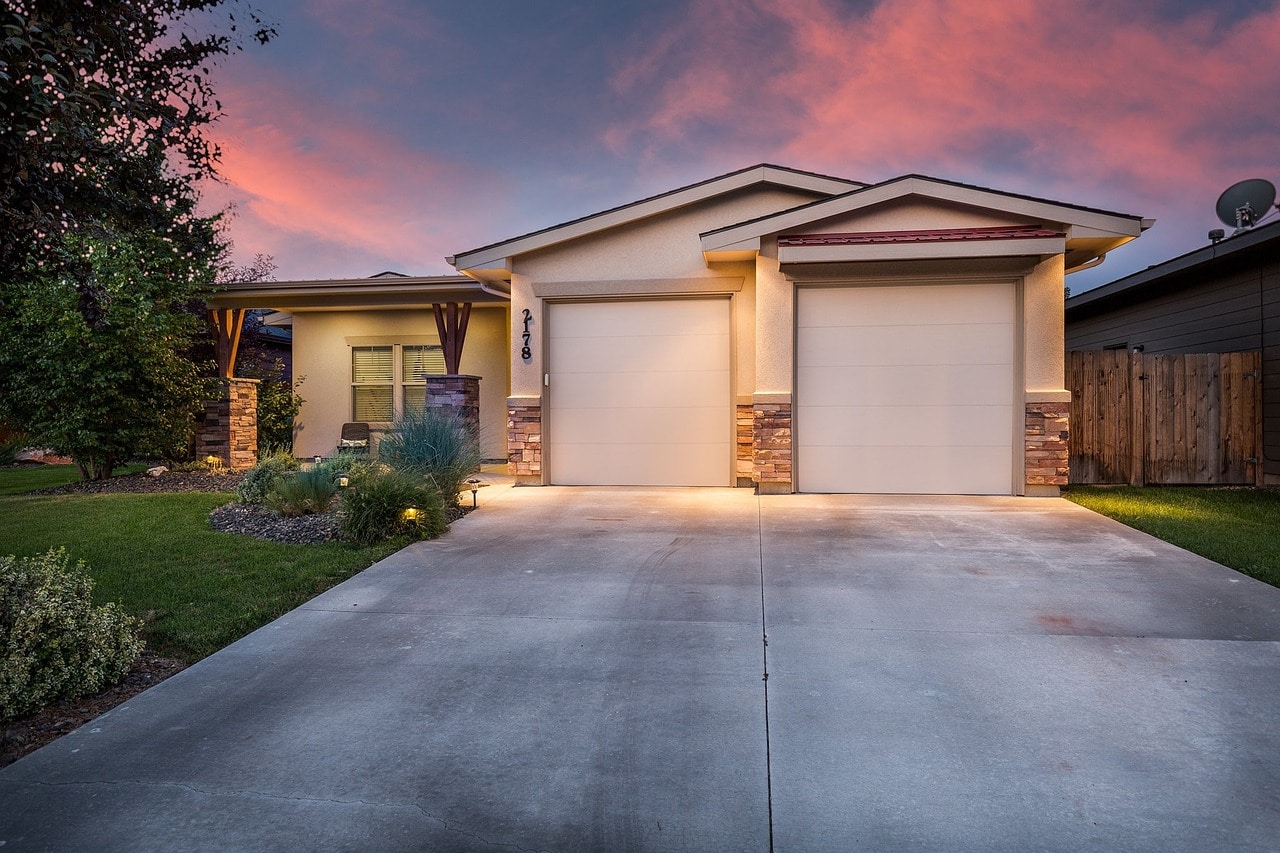
Understanding Acoustic Architecture
Acoustic architecture is a branch of architecture that focuses on the design and construction of buildings that offer optimal acoustic qualities. It integrates the principles of sound engineering and design to create living spaces that are customized to the needs of sound-sensitive individuals. The goal of acoustic architecture is to reduce noise pollution within homes and create an environment that promotes tranquility and relaxation.
The Impact of Noise Pollution
Noise pollution, the presence of unwanted and disruptive noise, has been identified as a major cause of stress and health problems in urban areas. It not only affects the physical health of individuals, but also their mental well-being. The World Health Organization (WHO) has classified noise pollution as a serious environmental threat that can lead to a variety of health issues including hearing loss, cardiovascular diseases, and sleep disturbances.
In the modern world, noise pollution is rampant, and it is nearly impossible to completely escape from it. Even within the confines of our own homes, we are bombarded with noise from traffic, construction, and loud neighbors. This is where acoustic architecture comes into play.
Designing for the Sound-Sensitive
Acoustic architecture is all about creating spaces that provide the desired level of sound quality. This means minimizing external noise and controlling internal sound reflections. To achieve this, architects use a combination of passive and active design strategies.
Passive Design Strategies
Passive design strategies rely on the use of materials, shapes, and layout to control and absorb sound. These strategies aim to minimize the amount of external noise entering the building, as well as the level of sound reverberations within the interior space.
One of the most common passive design strategies used in acoustic architecture is the incorporation of sound-absorbing materials. These materials can be placed on walls, floors, and ceilings to absorb sound waves and reduce their reflections. Materials such as soft fabrics, carpets, and acoustic insulation are commonly used in acoustic architecture to improve sound absorption and minimize noise pollution.
Active Design Strategies
Active design strategies involve the use of technology to actively control sound within a space. This can include the installation of sound dampening systems, such as sound-absorbing panels or sound masking systems, which emit low-level background noise to cancel out unwanted external sounds.
Another active design strategy commonly used in acoustic architecture is the incorporation of special acoustic doors and windows. These are designed to provide a sound barrier, preventing noise from entering a room and disrupting the peace and quiet within the interior spaces of the home.
The Benefits of Acoustic Architecture
The primary benefit of acoustic architecture is the creation of a comfortable and peaceful living environment. By minimizing noise pollution, individuals can enjoy a tranquil and relaxing atmosphere within their homes, free from distractions and disruptions. This is especially beneficial for those who are sound-sensitive, such as individuals with autism, sensory processing disorders, or insomnia.
In addition, a well-designed acoustic home can also improve the overall quality of life. It can reduce stress levels, promote better sleep, and increase productivity and concentration. This is beneficial not only for sound-sensitive individuals but for everyone living in the home.
Conclusion
Noise pollution is a serious environmental issue that can have significant negative impacts on our health and well-being. However, with the use of acoustic architecture, it is possible to create homes that provide a peaceful and quiet living environment. By incorporating both passive and active design strategies, architects can design homes that cater to the needs of the sound-sensitive. As the demand for peaceful living spaces continues to rise, the importance of acoustic architecture in creating a better quality of life cannot be overlooked.